 Skip to content


Ductwork is an essential component of your home’s HVAC (Heating, Ventilation, and Air Conditioning) system. It functions as the distribution network that carries conditioned air, whether heated or cooled, throughout the building and returns it to the HVAC unit for recirculation. Well-designed and properly sealed ductwork ensures consistent indoor comfort, balanced airflow, and optimal energy efficiency. One of the most common questions professionals and homeowners face is: What kind of tape to use on ductwork?
However, when duct joints or seams are left unsealed or sealed improperly, it can result in significant energy loss, poor temperature control, and reduced air quality. Air leaks from unsealed ducts can account for up to 30% of energy waste in the average home. This not only increases utility costs but also puts extra strain on your HVAC system. That’s why choosing the right sealing method is critical. In this guide, we’ll explore the most effective options to ensure long-lasting performance and compliance with HVAC standards.
What Kind of Tape to Use on Ductwork?
When sealing HVAC ductwork, it’s crucial to choose the right tape for the job. Different types of tape offer varying levels of durability, heat resistance, and compliance with industry standards. Below are the most effective tape options for sealing ducts, each tailored for specific purposes. Using the correct tape ensures your HVAC system runs efficiently, reduces energy costs, and meets safety standards.
UL 181-Rated Foil Tape
- Designed for HVAC use: Specifically engineered for sealing metal ducts, foil tape provides a permanent, airtight seal.
- High heat resistance: Can withstand temperatures up to 600°F, making it ideal for HVAC applications.
- Strong adhesion: Bonds well to metal, insulation, and flexible ducts, ensuring a durable seal.
- Code-compliant: UL 181-rated foil tape meets HVAC standards and is safe for both residential and commercial systems.
Mastic Tape
- Ideal for flexible ducts: Mastic tape is perfect for sealing joints in flexible ductwork.
- Elastic properties: It stretches and conforms to the duct surface for an even seal.
- Superior adhesion: Offers excellent bonding to both metal and insulation, ensuring no air leaks.
- Durability: Lasts for many years, even in high-humidity and temperature conditions.
Masking Tape
- For temporary fixes: Masking tape can be used for short-term ductwork repairs but isn’t suitable for long-term sealing.
- Not heat-resistant: It’s ineffective in areas with high heat or humidity, as it deteriorates quickly.
- Easy to remove: Ideal for situations where quick, temporary sealing is needed but not recommended for permanent sealing.
- Not recommended for HVAC: Masking tape does not comply with building codes for HVAC systems.
Film Tape
Lightweight: Easy to handle and apply, making it a convenient option for smaller sealing jobs.
Multi-purpose use: Film tape is a versatile option, suitable for sealing insulation materials and HVAC ducts.
Weather-resistant: It performs well in varying weather conditions and is resistant to UV exposure.
Not ideal for high-temperature areas: While durable, film tape isn’t designed for the extreme heat conditions common in HVAC systems.
Duct tape vs. foil tape? HVAC tape vs. aluminum tape
Choosing the right type of tape is essential for ensuring energy efficiency, long-term durability, and proper system performance. Many people often confuse duct tape and foil tape, but HVAC technicians know that using the right tape is critical in preventing air leaks and system inefficiency. Below is a comparison of duct tape vs. foil tape and HVAC tape vs. aluminum tape to help you make the best choice.
Duct Tape
- Quick and easy to use: Duct tape is popular for general-purpose applications and can be used for quick, temporary fixes.
- Poor heat resistance: It fails under extreme temperatures and high humidity, which makes it unsuitable for HVAC systems.
- Not long-lasting: Over time, duct tape can dry out, peel off, and lose its adhesive properties, causing air leaks.
- Does not meet HVAC standards: Duct tape is not UL 181-rated, so it is not suitable for use in HVAC systems, risking code violations.
Foil Tape
- Designed for HVAC applications: Foil tape is specifically made for HVAC systems, providing a durable, long-lasting seal that meets HVAC codes.
- Extremely heat-resistant: It can withstand extreme temperatures, making it ideal for use in ducts that carry hot or cold air.
- Provides airtight seal: Offers superior adhesion to metal ducts, ensuring a secure and airtight seal for energy efficiency.
- Code-compliant: UL 181-rated and approved by building codes, foil tape is a trusted solution used by HVAC technicians for both residential and commercial ductwork.
HVAC Tape
- Engineered for professional use: HVAC tape is specifically designed for sealing ducts, offering better performance and durability than standard tapes.
- Resists extreme temperatures: HVAC tape is built to handle the high heat and pressure typically found in ductwork systems.
- Perfect for long-term solutions: HVAC tape stays intact for years, providing an efficient, permanent solution for sealing ducts.
- Code-compliant: Meets all necessary safety and performance standards, ensuring that your HVAC system operates efficiently and safely.
Aluminum Tape
- Excellent for metal ducts: Aluminum tape is ideal for sealing seams and joints in metal ducts, offering strong adhesion and durability.
- Resists extreme temperatures: Like foil tape, aluminum tape can handle extreme temperatures without breaking down.
- Durability: Aluminum tape lasts longer than duct tape, making it a superior choice for long-term duct sealing.
- Code-compliant: Meets building codes for duct sealing and is used by professionals for safe and effective HVAC installations.
By understanding the differences between duct tape vs. foil tape and HVAC tape vs. aluminum tape, you can ensure the correct materials are used for proper duct sealing. HVAC technicians highly recommend foil tape and HVAC-rated tapes for their durability, heat resistance, and long-term effectiveness, ensuring that your system performs at its best for years to come.
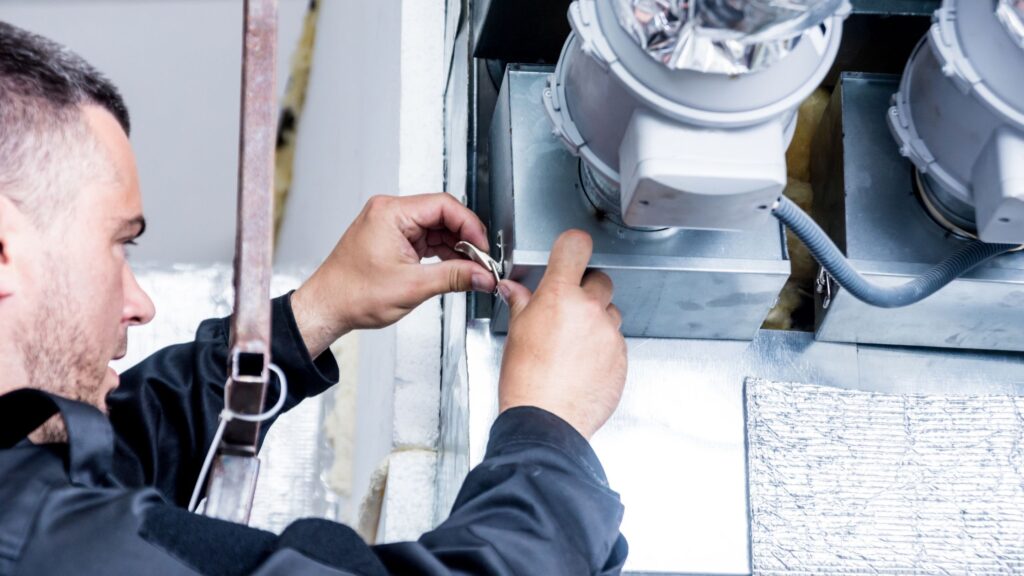
What is the difference between duct tape and HVAC tape?
Many people mistakenly assume that duct tape is sufficient for sealing HVAC ducts, but HVAC systems have specific requirements for temperature, moisture, and airflow. Understanding the differences between duct tape and HVAC tape will help you make the right choice for your system. Below is a detailed comparison to guide you through their key features.
| Feature | Duct Tape | HVAC Tape |
|---|---|---|
| Material Composition | Cloth-backed with rubber-based adhesive | Aluminum foil or other specialized materials for HVAC use |
| Flexibility | Flexible, but not ideal for flexible air ducts | Highly flexible, designed to work with both flexible and rigid air ducts |
| Temperature Resistance | Low resistance, not suitable for high heat | High resistance, can withstand extreme temperatures up to 600°F |
| Adhesion | Weak adhesion on metal surfaces and in high humidity | Strong, long-lasting adhesion on metal, insulation, and flexible ducts |
| Conductivity | Poor conductivity, not suitable for energy-efficient sealing | Excellent for conductivity, providing airtight seals that improve energy efficiency |
| Durability | Deteriorates quickly in extreme conditions | Extremely durable, with long-lasting performance even in harsh HVAC environments |
By understanding these differences, you can make an informed decision on what tape to use. HVAC tape is specially designed to withstand the demands of your HVAC system, ensuring long-term performance, whereas duct tape is not recommended for sealing ducts due to its poor adhesion and low heat resistance. If you want to use a tape that will enhance flexible air ducts and offer improved conductivity for energy-efficient sealing, HVAC tape is the superior choice.
Difference Between Duct Tape and Foil Tape
While they may appear similar, only one is designed for long-term performance in heating, ventilation, and air conditioning applications.
| Feature | Duct Tape | Foil Tape |
| Material Composition | Cloth backing with rubber-based adhesive | Aluminum foil backing with acrylic or rubber adhesive |
| Heat Resistance | Low (up to 200°F) | High (up to 600°F, depending on brand) |
| Moisture Resistance | Poor | Excellent |
| Adhesion to Metal Surfaces | Weakens over time | Strong, long-lasting bond |
| Durability | Short-term, deteriorates quickly | Long-term, resists peeling, cracking, and aging |
| HVAC Code Compliance | Not UL 181-rated; not approved for HVAC use | UL 181-rated; meets HVAC building code requirements |
| Usage Recommendation | Temporary fixes, crafts, and general-purpose repairs | HVAC duct sealing, insulation, and long-term performance |
Final Words
So, what kind of tape to use on ductwork? UL 181-rated foil tape is the most effective solution for sealing HVAC ducts. Specifically designed for the high temperatures, moisture, and airflow conditions of ductwork, foil tape ensures a long-lasting, airtight seal that enhances energy efficiency and system performance. Unlike duct tape, which fails to meet HVAC standards, foil tape offers superior durability, heat resistance, and adhesion to metal surfaces.
By selecting the right tape, you can prevent air leaks, lower energy consumption, and prolong the lifespan of your HVAC system. Investing in quality foil tape not only ensures compliance with building codes but also significantly lowers utility bills, making it the ideal choice for both residential and commercial duct sealing.
Frequently Asked Questions
Can you use regular duct tape on ductwork?
No, regular duct tape should not be used for sealing HVAC ducts. While it is a popular tool for general repairs, it does not provide the long-term performance needed for sealing ducts. Duct tape lacks the durability to withstand the extreme temperatures and moisture commonly found in HVAC systems. It may peel off or lose adhesion over time, leading to energy loss and inefficiency. If you want a reliable solution, opt for foil tape, which is specifically designed for HVAC applications.
What is the best tape for sealing ducts?
The best tape for sealing ducts is UL 181-rated foil tape. It is designed to perform in the challenging environments of HVAC systems, providing a permanent, airtight seal that meets industry standards. This tape works well on reflective insulation, sheet metal, and other duct materials. It provides superior heat resistance and is durable enough for long-term use. For professionals and contractors alike, foil tape is the preferred option because it ensures energy efficiency and proper airflow.
How to choose the right duct tape for HVAC systems?
When selecting duct tape for HVAC systems, it is crucial to consider factors like temperature resistance, adhesion strength, and code compliance. Regular duct tape is not suitable for HVAC jobs. Instead, focus on foil tape or mastic tape. Ensure the tape you choose is rated for HVAC applications and is capable of handling extreme temperatures and moisture. The tape that is best for sealing ducts will meet these requirements and be durable enough for the job at hand.
Why choose foil tapes?
Foil tapes are the top choice for sealing HVAC systems due to their durability and efficiency. Unlike regular tapes, they offer excellent adhesion to metal surfaces and reflective insulation, ensuring a tight, long-lasting seal. The reflective surface of foil tape also helps to improve energy efficiency by reducing heat loss. Whether you’re a homeowner or a contractor, foil tape is the go-to product because it provides superior performance, durability, and code compliance for any HVAC sealing job.
