 Skip to content

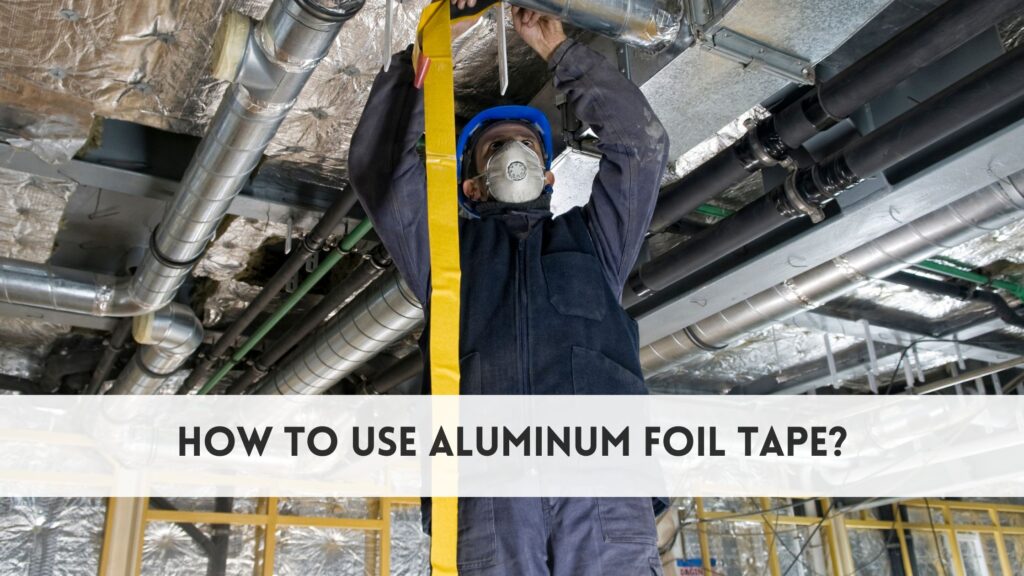
Aluminum foil tape is an essential tool for sealing HVAC ductwork, ensuring energy efficiency, safety, and long-term system performance. Designed to withstand high temperatures and moisture, this durable adhesive tape is ideal for sealing joints, repairing insulation, and preventing air leaks. If you’re thinking, How to use aluminum foil tape? The process involves proper surface preparation, precise application, and firm sealing to create an airtight bond. Commonly used in residential and commercial HVAC systems, foil tape outperforms standard tapes in both durability and compliance. This guide explains the correct way to apply aluminum foil tape for optimal results.
How to Use Aluminum Foil Tape for HVAC Ductwork?
Using aluminum foil tape correctly on HVAC ductwork is essential for achieving a secure, energy-efficient, and code-compliant seal. This heat-resistant, pressure-sensitive tape is designed specifically for sealing joints, seams, and insulation in duct systems. When applied properly, aluminum foil tape helps prevent air leaks, reduces energy loss, and improves overall HVAC performance. It’s important to follow a clean, measured, and precise application process. The tape’s durability and fire resistance make it the preferred choice for both residential and commercial HVAC sealing projects. Here are the steps:
Clean the Surface Thoroughly
Before applying any sealing material, it’s crucial to ensure the duct surface is completely clean. Dust, debris, and oils can prevent adhesives from bonding effectively, leading to leaks or early tape failure. Use a clean cloth, and for stubborn dirt or grease, a mild solvent or rubbing alcohol is ideal. Pay close attention to corners and joints where particles can accumulate. Proper cleaning ensures maximum adhesion and contributes to long-term sealing success.
Measure and Cut the Tape Precisely
Accurate measurement is key to avoiding material waste and ensuring complete coverage of seams or joints. Measure the length of the area that needs to be sealed, then cut the tape slightly longer to allow for overlap. Pre-cutting the tape before application makes the job easier and more efficient, especially when working in tight or elevated spaces. Keeping the cuts straight and even will also help ensure a uniform, professional-looking seal across the entire duct surface.
Peel Back the Release Liner Carefully
Most professional-grade sealing tapes include a protective backing or release liner. Remove this liner slowly and steadily to avoid curling or wrinkling the adhesive surface. Avoid touching the sticky side excessively, as body oils can reduce its bonding power. It’s helpful to peel only a small section at a time while positioning the tape, which allows for better control and precision during application, particularly around corners or uneven duct connections.
Apply the Tape Evenly on the Surface
Once the tape is aligned, gently place it over the joint or gap, starting at one end and working your way across. Smooth the tape as you go to prevent wrinkles and ensure full contact with the duct surface. This even application minimizes the chance of air leaks and helps maintain thermal insulation. Pay special attention to bends and ridges, making sure the tape conforms to the shape without stretching or tearing.
Press Firmly for Maximum Adhesion
To ensure the adhesive bonds tightly, apply firm pressure along the entire length of the tape. Use a squeegee, roller, or even your fingers (with gloves) to work the tape into the surface. This process removes any trapped air pockets and secures the tape firmly in place. Proper pressure is essential for creating a long-lasting, airtight seal, especially in HVAC systems where air pressure and temperature changes can loosen weak seals over time.
Overlap Additional Sections Strategically
When sealing longer seams or multiple sections, always overlap each strip of tape by at least half an inch. Overlapping not only reinforces the seal but also prevents gaps where air or moisture could escape. Make sure the edges of overlapping sections are pressed down just as firmly as the initial layer. This technique adds structural integrity to the seal, especially at connection points, and is considered a best practice in professional ductwork maintenance.
What Is Foil Tape Used For?
Foil tape, commonly known as aluminum foil tape, is a specialized adhesive product used extensively for sealing, patching, and insulating in both residential and commercial applications. In HVAC systems, foil tape is primarily used for sealing duct seams and joints to prevent air leaks, enhance efficiency, and maintain proper airflow. It’s also highly effective for insulating air vents and exhausts, acting as a reliable moisture and vapor barrier.
Its reflective properties make it suitable for heat and cold insulation projects, helping regulate temperatures and reduce energy loss. Foil tape is flexible enough to wrap around irregular or flexible ductwork, making it ideal for various configurations. In commercial settings, it is often used for fire-rated sealing due to its heat- and flame-resistant characteristics. Unlike cloth or standard plastic tapes, foil tape maintains a durable, long-lasting bond even in high-temperature or humid environments. These qualities make it a trusted solution for professionals and homeowners maintaining HVAC systems.
How to Use Foil Tape on Air Ducts?
When applying foil tape to air ducts, here are a few pro tips to ensure the job is done right:
- Always choose UL 181-rated foil tape for HVAC systems to meet code.
- Use tape with high-performance acrylic adhesive for long-term bonding.
- Don’t use foil tape as a substitute for mastic sealant in large gaps—it works best for seams and small leaks.
Foil Tape vs Aluminum Tape
While many people use the terms interchangeably, foil tape is specifically engineered for HVAC and high-temperature applications. In contrast, aluminum tape may refer to a range of adhesive products that don’t meet the standards required for ductwork.
| Feature | Foil Tape | Aluminum Tape |
| Backing | Pure aluminum foil | Maybe aluminum-coated plastic |
| Heat Resistance | High (up to 600°F) | Varies |
| HVAC Approved | UL 181-rated options | Often not rated |
| Flexibility | Excellent | Limited |
| Moisture Barrier | Strong | Medium to Low |
While comparing foil tape vs aluminum tape for ductwork, understanding the differences is essential for selecting the right sealing solution. Foil tape is made of pure aluminum foil with a high-performance adhesive, offering superior heat resistance—up to 600°F—making it ideal for HVAC applications. In contrast, aluminum tape may use a plastic or aluminum-coated backing, which limits its durability and heat resistance.
Foil tape is also UL 181-rated, meeting industry standards for HVAC systems, while many aluminum tapes are not code-compliant. Flexibility is another key factor; foil tape conforms easily to irregular surfaces and curved ducts, ensuring a tighter seal. Moisture protection is stronger with foil tape, helping prevent condensation and mold in duct systems. Overall, foil tape provides a longer-lasting, fire-safe, and more professional-grade sealing solution for air ducts. Whether you’re working on residential or commercial ductwork, choosing the right product ensures performance, safety, and long-term energy efficiency in your HVAC system.
Is Hiring a Professional Necessary?
While DIY duct sealing with aluminum foil tape is possible for small fixes, hiring a professional ensures long-lasting, code-compliant results. HVAC technicians have the tools, experience, and knowledge to identify hidden leaks, apply foil tape correctly, and ensure optimal airflow throughout the system. They also use commercial-grade materials that outperform standard retail options. Professionals can detect underlying issues like insulation gaps, mold, or damaged ducts that DIY efforts might miss. For energy efficiency, safety, and proper system performance, trusting an expert is a smart investment in the long-term health of your HVAC system and indoor air quality. A certified technician will not only apply foil tape properly but also check for airflow issues, insulation quality, and potential safety risks.
When to Call an HVAC Professional?
- If you suspect mold or heavy dust buildup in the ducts, it’s best to call a professional who can safely remove contaminants and restore healthy indoor air quality using specialized cleaning equipment.
- If the duct system is leaking extensively, a technician can perform a thorough inspection and use industrial-grade aluminum foil tape and sealing methods to stop energy loss and improve HVAC efficiency.
- If you’re unsure about local building codes, professionals ensure all duct sealing work complies with regulations, helping you avoid costly mistakes or failed inspections.
- If the HVAC system is underperforming or noisy, it may indicate airflow restrictions or duct damage that only an experienced HVAC technician can properly diagnose and repair.
Final Words
Understanding How to use aluminum foil tape correctly is essential for maintaining an efficient and safe HVAC system. This versatile, heat-resistant tape is ideal for sealing duct seams, preventing air leaks, and enhancing energy efficiency in both residential and commercial settings. We’ve explored its key applications, the difference between foil tape vs aluminum tape, and the proper step-by-step process for effective use.
While minor duct sealing projects can be done DIY, complex issues like extensive leaks, mold, or compliance with building codes should be handled by professionals. Hiring an HVAC expert ensures durable, code-compliant results that improve indoor air quality and system performance. If you’re unsure whether your ducts are properly sealed or need attention, trust an experienced team for expert service and lasting results.
