

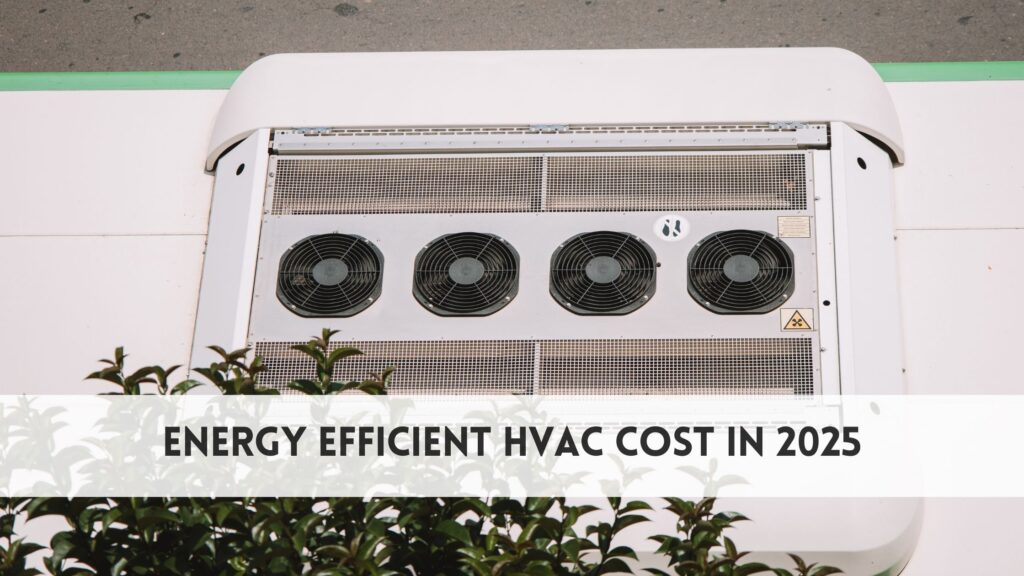
In 2025, energy-efficient HVAC systems are becoming a top choice for homeowners and businesses in Tampa, FL. These advanced systems are designed to consume less energy while providing superior heating and cooling, making them an ideal solution for reducing energy costs and improving indoor comfort. As energy prices continue to rise and environmental concerns grow, upgrading to an energy-efficient HVAC system offers significant long-term benefits. In this guide, we’ll explore the energy-efficient HVAC cost for 2025, the factors influencing pricing, and the advantages of making the switch to a more sustainable and cost-effective HVAC solution.
How Much is Energy Efficient HVAC Cost 2025 in Tampa?
The energy-efficient HVAC cost in 2025 depends on several factors, including the system’s type, size, installation requirements, and specific energy efficiency ratings. On average, the installation cost of energy-efficient HVAC systems ranges from $3,500 to $7,000 for residential properties, with commercial systems costing more, depending on the size of the building.
| HVAC System Type | Average Installation Cost (Residential) | Energy Efficiency Rating (SEER/AFUE) |
| Central Air | $4,500 – $6,000 | SEER 15-20 |
| Heat Pumps | $5,000 – $7,000 | HSPF 8-10 |
| Furnaces | $3,500 – $5,500 | AFUE 90%-98% |
| Ductless Mini-Split | $3,000 – $5,000 | SEER 18-25 |
Central Air System
A central air system is the most common choice for cooling large homes or commercial properties. It utilizes ductwork to distribute cool air throughout the building, offering even temperature control across multiple rooms. These systems are ideal for homes with existing ducts and provide consistent performance. High-efficiency models feature advanced compressors and enhanced filtration systems, reducing energy consumption while maintaining comfortable indoor conditions year-round.
Heat Pumps
Heat pumps are versatile HVAC systems that can provide both heating and cooling. These systems transfer heat from one location to another using refrigerants, making them highly energy-efficient. In moderate climates like Tampa, heat pumps can efficiently regulate indoor temperatures without consuming excessive energy. They are particularly effective in reducing heating costs during the cooler months and work efficiently year-round, especially in homes with limited space for other systems.
Furnaces
Furnaces are designed to generate heat and distribute it through ducts or radiators. They can operate using various fuel sources, such as natural gas, electricity, or oil. A high-efficiency furnace with a high Annual Fuel Utilization Efficiency (AFUE) rating can convert most of the fuel it uses into heat, minimizing energy waste. Modern furnaces offer quiet operation, better temperature regulation, and improved air quality, making them a good choice for colder climates.
Ductless Mini-Split Systems
Ductless mini-split systems offer an efficient way to heat and cool individual rooms or zones without the need for ductwork. These systems are ideal for smaller homes, room additions, or spaces where installing ducts is not feasible. They consist of an outdoor unit connected to one or more indoor units, each controlled independently. Their high SEER ratings and flexibility in temperature control make them a highly efficient and customizable option for homeowners and businesses alike.
How Energy Efficient HVAC Systems Work?
Energy-efficient HVAC systems are designed to reduce energy consumption while delivering optimal heating and cooling performance. These systems utilize advanced technologies that help minimize energy waste without sacrificing comfort. One of the key components is the variable speed compressor, which adjusts the system’s heating or cooling output according to demand. This ensures that the system only works as hard as necessary, reducing energy use and increasing efficiency.
Additionally, advanced thermostats, including smart thermostats, play a crucial role in optimizing energy usage. These devices allow homeowners to program precise temperature settings based on daily routines, ensuring the HVAC system operates only when needed. Some smart thermostats even adjust temperatures automatically when you’re away, further conserving energy.
Another critical factor in energy efficiency is the SEER (Seasonal Energy Efficiency Ratio) and AFUE (Annual Fuel Utilization Efficiency) ratings. The higher these ratings, the more efficient the system is at converting energy into usable heating or cooling. Systems with high SEER or AFUE ratings consume less energy while providing consistent performance, leading to lower utility bills and a smaller carbon footprint. Investing in systems with higher ratings can significantly reduce long-term energy costs.
Benefits of Switching to Energy Efficient HVAC Systems in Tampa
Switching to an energy-efficient HVAC system brings multiple benefits, especially in a region like Tampa, FL, where the climate can cause HVAC systems to work overtime. Some of the key benefits include:
Lower Utility Bills
One of the most significant benefits of switching to an energy-efficient HVAC system in Tampa is the reduction in utility bills. These systems use advanced technology to consume less energy while providing optimal heating and cooling. As a result, you’ll see lower monthly energy costs, especially in a hot climate like Tampa, where cooling demands are high. Over time, these savings add up, making energy-efficient systems a smart financial investment.
Improved Comfort
Energy-efficient HVAC systems provide enhanced comfort by offering more precise temperature control. They can maintain consistent indoor temperatures, avoiding the fluctuations that can occur with older or less efficient units. This consistent climate control ensures that your living or working environment in Tampa remains comfortable year-round, regardless of the weather outside. With fewer hot or cold spots, you can enjoy a more pleasant and stable indoor atmosphere.
Increased Property Value
Upgrading to an energy-efficient HVAC system can significantly increase your property’s value in Tampa. As more buyers look for homes or businesses that feature sustainable and cost-effective solutions, installing an energy-efficient HVAC system makes your property more attractive. Many potential buyers are willing to pay a premium for properties with modern, energy-efficient systems, which can lead to a higher resale value and faster sale.
Eco-Friendly
Energy-efficient HVAC systems are better for the environment, as they use less energy and reduce overall carbon emissions. By consuming less electricity, these systems help minimize your household or business’s carbon footprint, which is essential for environmental sustainability. In a climate-conscious city like Tampa, making the switch to an energy-efficient HVAC system not only lowers energy costs but also contributes to a greener, healthier planet.
Factors Affecting the Cost of Energy Efficient HVAC System
The energy-efficient HVAC cost can vary widely depending on several factors. Here are some of the key elements that influence the final price of installation:
System Type
The type of HVAC system you choose—whether it’s central air, a heat pump, furnace, or a ductless mini-split—greatly influences the overall cost. Heat pumps and ductless mini-split systems, while offering higher energy efficiency, typically have higher upfront costs. However, they often provide better long-term savings on energy bills, making them a smart investment in the long run.
Size of the Property
The size of your home or commercial property in Tampa is a critical factor in determining the cost of an energy-efficient HVAC system. Larger properties require more powerful systems to adequately heat and cool the space. These systems typically come with higher installation costs due to the increased capacity and additional components needed to accommodate the larger area.
Energy Efficiency Ratings
Energy-efficient HVAC systems are often rated by their SEER (Seasonal Energy Efficiency Ratio) or AFUE (Annual Fuel Utilization Efficiency). Higher SEER or AFUE ratings indicate better energy performance but can increase initial costs. While these systems may cost more upfront, they offer substantial long-term savings on energy bills, making them a wise choice for homeowners looking to save money in the future.
Installation Complexity
The complexity of your HVAC system’s installation can impact overall costs. For example, retrofitting an older home or commercial building with a new energy-efficient system may require additional labor and modifications. This added work increases installation expenses. A professional assessment will help determine the most cost-effective solution, ensuring the system operates efficiently while minimizing additional installation costs.
Government Incentives and Rebates for Energy Efficient HVAC Systems in Tampa
To encourage the adoption of energy-efficient systems and reduce overall energy consumption, both federal and local governments offer valuable incentives and rebates for homeowners and businesses in Tampa, FL. These financial incentives help offset the initial cost of upgrading to an energy-efficient HVAC system.
Florida Power & Light (FPL) offers rebates to Tampa residents and businesses that install qualifying energy-efficient HVAC systems. These rebates can significantly lower the upfront costs of purchasing and installing systems that meet FPL’s energy efficiency standards. Additionally, the Federal Tax Credit provides further financial relief, allowing homeowners to claim up to 30% of the total cost of eligible HVAC upgrades, including energy-efficient systems. This credit is designed to encourage investment in sustainable and energy-saving technologies.
By taking advantage of these programs, you can significantly reduce the energy-efficient HVAC cost, making the upgrade more affordable. These incentives, combined with the long-term savings on energy bills, make investing in an energy-efficient HVAC system a financially smart decision for residents and businesses in Tampa. Be sure to consult with an HVAC professional to ensure you qualify for available rebates and credits.
Energy Efficient HVAC: Is It Worth the Initial Investment?
The initial investment for an energy-efficient HVAC system may be higher than traditional systems, but the long-term savings make it a worthwhile investment. Energy-efficient systems can reduce monthly utility bills by up to 30%, depending on the system’s type and size. Additionally, government incentives such as rebates and tax credits help offset the upfront costs, making the initial investment more affordable. The return on investment (ROI) is typically realized within 4 to 7 years, as energy savings accumulate over time. For Tampa residents, where HVAC systems are essential year-round due to the hot climate, the investment in an energy-efficient system is even more valuable. These systems not only save money but also reduce energy consumption, improve comfort, and contribute to a more sustainable environment. In the long run, the benefits of an energy-efficient HVAC system far outweigh the initial cost.
Final Words
Investing in and knowing the HVAC replacement cost in 2025 is a smart choice for both homeowners and businesses in Tampa, FL. While the initial energy-efficient HVAC cost may be higher, the long-term savings on utility bills, environmental benefits, and improved indoor comfort make it a valuable investment.
By selecting the right system and utilizing available rebates and tax incentives, you can significantly reduce upfront costs and achieve greater energy efficiency. Over time, the savings will outweigh the initial investment, making your home or business more sustainable. For personalized advice and expert installation, consulting a trusted local HVAC replacement professional in Tampa can ensure you choose the best energy-efficient system for your needs, maximizing savings and comfort.