 Skip to content

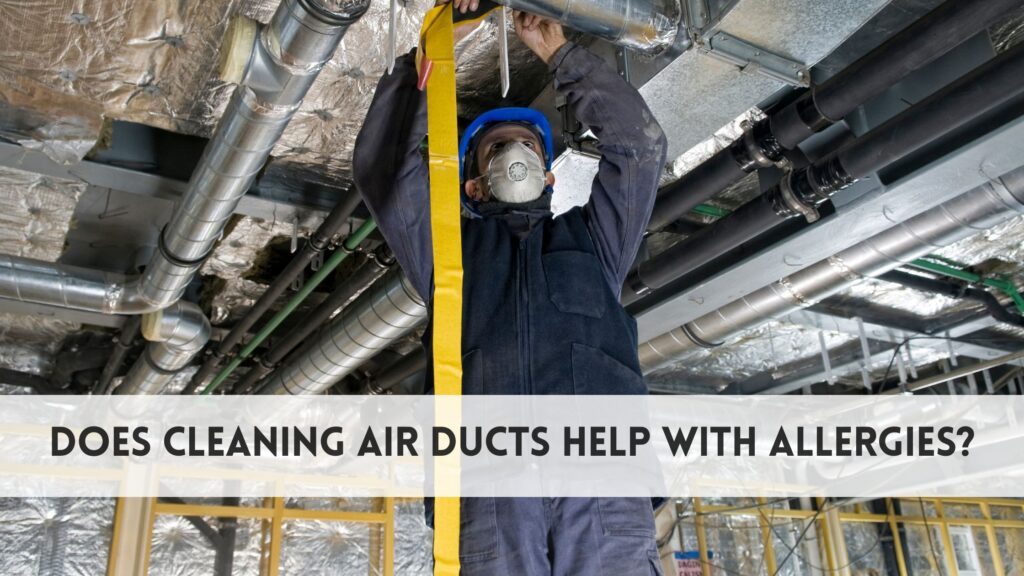
Air ducts are the passages in your HVAC system that circulate air throughout your home. Over time, dust, dirt, mold, and other allergens can accumulate in these ducts. During regular operation, your HVAC system can spread these contaminants, triggering indoor allergies and respiratory issues. So, does cleaning air ducts help with allergies? Duct cleaning can help by removing these built-up particles through a thorough cleaning process, which involves specialized tools and techniques. The cleaning process eliminates dust, pet dander, mold, and pollen that can be released into the air, helping to improve air quality and reduce allergy symptoms in your home.
Does cleaning air ducts help with allergies?
Yes, cleaning your air ducts help reduce allergens in your home, which is particularly beneficial for those suffering from asthma and allergies. Over time, dust, pollen, pet dander, and mold accumulate inside your air ducts. When your HVAC system operates, the system forces conditioned air through the ducts, circulating these allergens present in your air throughout your living spaces. This constant circulation can worsen allergy symptoms such as sneezing, coughing, and itchy eyes.
The cleaning ducts process involves removing these built-up particles from your HVAC system. This eliminates allergens like dust, mold spores, and pet dander, ensuring they aren’t repeatedly released into your home. By reducing the presence of these irritants, air duct cleaning can alleviate allergy symptoms, improve indoor air quality, and create a healthier environment.
Additionally, mold growth is a common issue in air ducts, particularly in humid climates. Mold spores can worsen asthma and allergies, causing respiratory issues. Regular cleaning removes mold, improving the overall air quality and reducing health risks associated with mold exposure.
Therefore, cleaning air ducts plays a crucial role in reducing allergens, improving air quality, and providing relief from allergy and asthma symptoms, making it an essential step in maintaining a healthy indoor environment.
Can Ductwork and HVAC Systems Cause Allergies?
Yes, ductwork and HVAC systems can significantly contribute to allergies. With time, allergens like dust, pet dander, pollen, and mold accumulate in the ducts. When the HVAC system is running, it circulates these particles throughout your home, triggering allergy symptoms such as sneezing, congestion, and coughing. Moisture in ducts can also promote mold growth, which is a major allergen and can worsen asthma and other respiratory conditions. Additionally, dirty ducts can harbor bacteria, which, when released into the air, can further irritate the respiratory system.
Regular duct cleaning needed for reducing these allergens. Duct cleaning can help reduce the buildup of dust, mold, and pet dander in your HVAC system, improving indoor air quality. Professional cleaning practices help eliminate these irritants, providing relief for allergy sufferers. By maintaining a clean HVAC system, you can significantly reduce allergens and enjoy a healthier, more comfortable living environment.
Signs My Ducts Need Cleaning
While wondering whether your ducts need cleaning, here are key signs to watch for. Dirty ducts can negatively impact your health and the air inside your home. Regular maintenance is crucial for maintaining indoor air quality and reducing allergens.
Visible Dust and Debris Around Vents
If you notice an excessive buildup of dust or debris around your vents, this could indicate that your ducts are clogged. Ducts are designed to trap dust, but over time, they can accumulate particles that may eventually be blown back into your living spaces. This can lead to allergy symptoms like sneezing, coughing, and congestion. Regular cleaning will remove these particles and improve the overall air quality in your home.
Increased Allergy Symptoms
If you or your family members begin experiencing worsening allergy symptoms like sneezing or congestion, it could be a sign that your air ducts are contaminated with allergens. Dust, pet dander, and mold spores in the ducts can circulate throughout your home, irritating the respiratory system. Duct cleaning can help reduce these allergens and improve indoor air quality, providing relief for allergy sufferers.
Mold or Mildew Smell
A musty odor coming from your vents is often a sign of mold or mildew buildup inside the ducts. Excess moisture can accumulate in ducts, promoting the growth of mold, which is a potent allergen. Mold spores released into the air can trigger respiratory problems and allergy symptoms. Regular duct cleaning can eliminate this mold, preventing its spread and ensuring a healthier indoor environment.
Poor Airflow or High Energy Bills
If you notice a decline in airflow or your HVAC system is working harder than usual, it may be due to clogged ducts. Accumulated dust and debris can obstruct airflow, causing your system to work inefficiently and increase energy costs. Duct cleaning can help restore proper airflow, improving your system’s performance and lowering energy bills while ensuring clean air inside your home.
Unexplained Noises
Strange noises, such as banging or rattling sounds, coming from your ducts can indicate a buildup of debris or a blockage. These noises often occur when the HVAC system tries to force air through dirty, obstructed ducts. Having your ducts cleaned can resolve these issues, allowing your system to function more smoothly and efficiently, while also reducing allergens causing allergy symptoms. Regular maintenance can keep your HVAC system running at its best.
Benefits of Professional Air Duct Cleaning for Allergy Relief
While DIY air duct cleaning kits are available, hiring a professional to clean your ducts offers several advantages:
- Thorough Cleaning: Professionals use advanced equipment like vacuums and air pressure tools to thoroughly clean the ducts, ensuring that all allergens are removed.
- Expertise: Professionals can identify and address underlying issues like mold or leaks that may be affecting air quality.
- Time-Saving: Cleaning air ducts is a labor-intensive task, and professionals can get the job done efficiently and safely, ensuring better results.
For allergy relief through duct cleaning, it’s essential to trust experienced professionals who can perform a deep cleaning of your air ducts, ensuring that all allergens are removed.

Is Air Duct Cleaning a One-Time Solution for Allergies?
While air duct cleaning provides short-term relief from allergens, it is not a one-time solution for allergies. Allergens will accumulate again over time, so ongoing maintenance is essential to ensure continued allergy relief and a healthier home environment. Regular air duct cleaning, when combined with other preventive measures, can help keep your indoor air quality at its best.
To maintain the benefits of air duct cleaning, you should:
Change your HVAC filters regularly
- Regular filter changes prevent dust and allergens from circulating back into the air.
- Aim to change filters every 1 to 3 months, depending on the type of filter and usage.
- This reduces the strain on your HVAC system and improves efficiency.
Use high-efficiency filters to capture smaller particles
- High-efficiency filters trap fine particles like pollen, dust mites, and pet dander.
- Consider using HEPA filters to capture microscopic allergens.
- High-efficiency filters can significantly reduce airborne allergens in your home.
Keep your home clean and free from dust
- Regular cleaning reduces dust accumulation on surfaces, which can end up in your air ducts.
- Use a vacuum with a HEPA filter to clean floors and upholstery.
- Dust frequently to prevent buildup, especially in high-traffic areas.
Monitor and address any mold growth issues
- Mold growth in ducts can trigger severe allergic reactions.
- Regularly inspect ducts for moisture or visible mold.
- Address any water damage or leaks to prevent mold from forming in your HVAC system.
How to Reduce Allergens After Duct Cleaning?
After air duct cleaning has been performed, there are several additional steps you can take to further reduce allergens and maintain a cleaner environment in your home. While air duct cleaning can help eliminate dust, pollen, pet dander, and mold from your ducts, it’s important to continue managing indoor allergens to ensure lasting relief.
Firstly, regularly change your HVAC filters. These filters catch airborne particles, so clean, high-efficiency filters can help trap allergens before they are circulated throughout your home. Be sure to replace filters every few months to ensure optimal performance.
Secondly, continue to use professional cleaning services in other areas of your home, such as carpets, upholstery, and drapes, as these can trap allergens that may not have been addressed by duct cleaning. Regular vacuuming with a HEPA filter-equipped vacuum can also help remove dust and pet dander that may settle on surfaces.
Thirdly, controlling humidity is crucial. Humid conditions can promote the growth of mold and dust mites, which are a leading cause of chronic illness related to allergies. Using a dehumidifier can help maintain ideal humidity levels, preventing further allergen buildup.
Lastly, make sure regular HVAC cleaning to maintain the health of your system. This includes cleaning the coils, blower, and vents to prevent the buildup of contaminants. By combining these efforts with your duct cleaning, you’ll reduce allergens and improve the air in your home, creating a healthier indoor environment for everyone.
Final Words
So, Does cleaning air ducts help with allergies? Yes, cleaning air ducts can help significantly by reducing allergens in your home. It removes dust, pollen, mold, and other harmful particles from your HVAC system, improving indoor air quality and providing relief for allergy and asthma sufferers. However, it’s important to understand that duct cleaning can help combat allergens temporarily, but it’s not a one-time solution. Regular cleaning and proper care are essential for ongoing allergen reduction and long-term relief.
If you or your family members suffer from allergies or asthma, scheduling an air duct cleaning service regularly is an effective way to reduce allergens in your indoor environment. By combining air duct cleaning with other preventive measures like changing filters and maintaining a clean home, you can ensure your home stays allergen-free. Keeping your air ducts clean helps create a healthier living space, providing lasting relief for those sensitive to indoor air quality.
FAQS
Allergic Particles Circulating Through Air Ducts?
Yes, allergic particles can circulate through your air ducts, aggravating allergy symptoms. Over time, dust, pollen, pet dander, mold spores, and other allergens can accumulate in your air ducts. Even tiny particles as small as 0.3 microns can be problematic, as they can easily remain suspended in the air. This is why regular duct maintenance is essential to remove these accumulated allergens and improve air quality.
Can dirty air ducts cause sinus problems?
Yes, dirty ducts can contribute to sinus problems. With time, dust and debris accumulate inside the air ducts, and when the HVAC system runs, these particles are circulated throughout the home, irritating the sinuses and respiratory system. The constant exposure to allergens and pollutants can trigger sinus congestion, leading to discomfort and inflammation. Professional duct cleaning helps remove these irritants, improving indoor air quality and potentially reducing sinus issues for sensitive individuals.
Can a dirty air filter make allergies worse?
Yes, a dirty air filter can make allergies worse by failing to trap allergens effectively. Over time, filters can become clogged with dust and debris, which reduces their ability to capture particles like pollen, pet dander, and mold spores. As a result, allergens are released back into the air, exacerbating allergy symptoms. Replacing filters regularly helps reduce the number of allergens circulating in your home, improving overall air quality and providing relief for allergy sufferers.
So what kind of allergens are we talking about?
Common allergens that accumulate in air ducts include dust and debris, pollen, pet dander, mold spores, and even bacteria. These particles can easily circulate throughout your home when the HVAC system is running, causing discomfort for allergy sufferers. Professional duct cleaning service removes these allergens, improving air quality. Additionally, using an air purifier can help capture smaller particles that may not be caught by the ducts, providing a cleaner, healthier living environment.
Why Are My Allergies Worse After Duct Cleaning?
Your allergies may feel worse temporarily after professional duct cleaning due to the stirring up of dust and debris that was trapped in the ducts. Although duct cleaning helps reduce the number of allergens in the long run, the cleaning process can temporarily release some particles into the air. To minimize this, it’s recommended to keep windows open and use an air purifier to capture any remaining allergens.
