 Skip to content

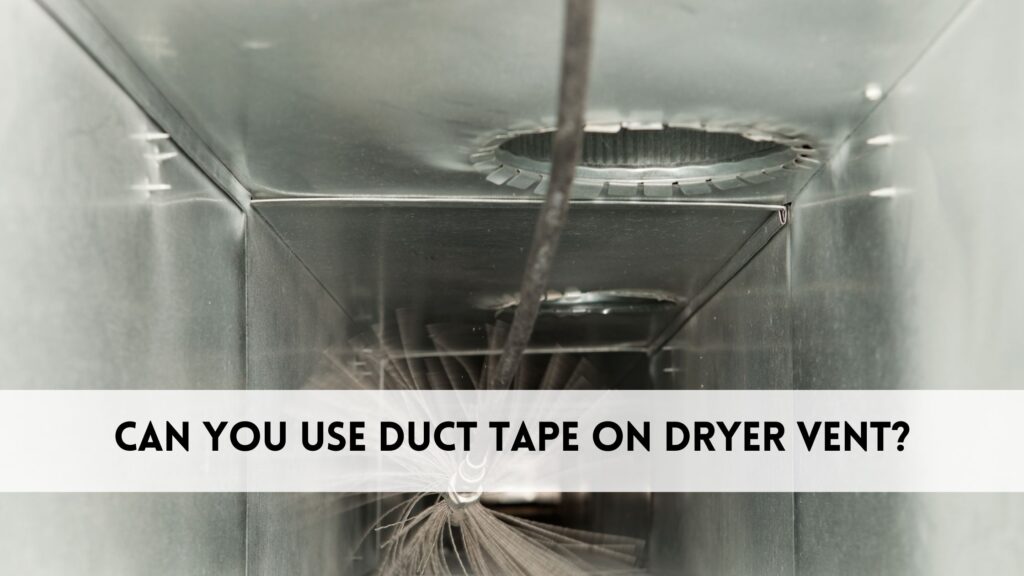
Many homeowners often wonder, Can you use duct tape on dryer vent? While duct tape is commonly used for household repairs, it is not a safe option for dryer vents. The heat generated by dryers can cause the adhesive in duct tape to degrade, leading to air leaks, lint buildup, and potential fire hazards. Over time, deteriorating duct tape fails to maintain a proper seal, allowing moisture and lint to accumulate, which can restrict airflow and make your dryer work harder than necessary.
So, is duct tape safe for dryer vents? The simple answer is no. In fact, many building codes and HVAC professionals strongly advise against using it due to its inability to withstand high temperatures. Instead, homeowners should use heat-resistant alternatives like aluminum foil tape or metal clamps, which are specifically designed for dryer vent sealing. In this guide, we’ll discuss why duct tape is unsafe for dryer ducts, the best alternatives to use, and the proper way to seal a dryer vent to ensure long-term safety and efficiency.
Can you use duct tape on dryer vent? Why?
The short answer is no, you should never use duct tape on a dryer vent. While duct tape is known for its strength and versatility, it is not designed to withstand high temperatures. When exposed to the heat generated by a dryer, the adhesive in duct tape begins to break down, leading to leaks that allow lint, moisture, and hot air to escape. Using duct tape on a dryer vent is a safety risk and can contribute to fire hazards, reduced efficiency, and code violations.
Heat Sensitivity
Duct tape is not heat-resistant, and its adhesive is designed for general applications rather than high-temperature environments. Dryers generate hot air exceeding 160°F (71°C), which compromises the adhesive properties of standard duct tape.
- When exposed to prolonged heat, the glue in duct tape begins to soften, melt, or dry out.
- This causes the tape to lose its grip, leading to peeling, cracking, and eventual detachment from the vent surface.
- As the tape deteriorates, gaps form in the dryer vent system, resulting in air leaks, loss of efficiency, and potential safety hazards.
Without a properly sealed vent, the dryer cannot expel moisture and lint effectively, increasing the risk of overheating and system failure.
Lint Accumulation and Airflow Obstruction
A poorly sealed or leaking dryer vent creates gaps and rough surfaces where lint can collect. Since lint is highly flammable, any buildup near a heat source significantly increases the risk of a dryer fire.
- Lint gets trapped in the gaps, sticking to exposed adhesive or accumulating around loose vent connections.
- As lint blocks airflow, the dryer works harder, leading to longer drying times, overheating, and higher energy consumption.
- Over time, excess strain on the dryer motor and heating element can lead to premature wear and expensive repairs.
A properly sealed and smooth vent surface ensures efficient lint expulsion, reducing the chances of blockage and overheating.
Fire Hazards and Safety Risks
According to the U.S. Fire Administration (USFA), dryer fires cause thousands of house fires every year, often due to improper venting and lint accumulation.
- If duct tape deteriorates and the vent connection loosens, hot air escapes, allowing lint to settle in crevices.
- Once lint collects near a heat source, such as the dryer’s exhaust, it can ignite, causing a rapidly spreading fire.
- A damaged or disconnected vent may also release carbon monoxide in gas dryers, posing a serious health hazard.
To prevent fire risks, it is essential to use only heat-resistant materials, such as aluminum foil tape or metal clamps, to seal dryer vents properly.
Building Code Violations and Compliance Issues
Most building codes and safety regulations prohibit duct tape for dryer vent installations due to its inability to handle high temperatures.
- The International Residential Code (IRC) and Uniform Mechanical Code (UMC) require that dryer vents be secured with metal fasteners, clamps, or heat-resistant materials.
- Home inspections often fail if duct tape is used on a dryer vent, leading to expensive replacements or repairs to meet safety standards.
- Insurance companies may also deny claims related to dryer fires if improper venting materials, such as duct tape, are found to be a contributing factor.
To ensure compliance with building codes and maintain a safe, efficient dryer system, it’s best to use UL 181-rated aluminum foil tape, metal clamps, or other approved sealing methods.
Is Duct Tape Safe for Dryer Vents?
Since duct tape is not safe for dryer vents, you need heat-resistant alternatives to secure your vent connections properly. Choosing the right material is essential for fire prevention, energy efficiency, and compliance with safety regulations. Here are the best alternatives to duct tape for sealing dryer vents:
Aluminum Foil Tape–The Best Choice for Dryer Vents
Why it’s the best option:
- Heat-resistant and durable – Unlike regular duct tape, aluminium foil tape is specifically designed to withstand high temperatures without melting or deteriorating. Most HVAC systems and dryer vents require materials that can handle temperatures of up to 600°F (315°C), and aluminum foil tape meets these demands.
- Approved for HVAC and dryer vent applications – UL 181-certified aluminium tape is approved for sealing ductwork and dryer vents because it maintains a strong bond even under extreme heat and moisture conditions.
- Creates an airtight seal – Proper vent sealing is crucial for preventing lint buildup and heat loss. Aluminum tape forms a strong, airtight connection, ensuring that the air flow is smooth without escaping, improving dryer efficiency and reducing fire risks.
How to use it:
- Clean the vent connection area to remove any lint or dust.
- Apply aluminum foil tape around the joint, ensuring full coverage.
- Press down firmly and smooth out any wrinkles to create a tight, secure seal.
Metal Clamp Connectors – Secure and Long-Lasting
Why metal clamps work better than tape:
- Secure vent connections without adhesive – Unlike tape, which relies on an adhesive that can wear out over time, metal clamps provide a mechanical seal that stays in place, even under heavy use.
- Ideal for flexible or rigid dryer vent ducts – Whether your dryer vent is made of rigid metal or flexible aluminum, metal clamps offer a tight grip that prevents the duct from loosening over time.
- Prevents air leaks and lint buildup – When secured properly, clamps keep the vent airtight, reducing the chances of lint escaping and accumulating in areas where it could pose a fire hazard.
How to install metal clamps:
- Slide the clamp over the vent connection.
- Position the vent pipe or hose into place.
- Tighten the clamp using a screwdriver or wrench to secure the seal.
High-Temperature Silicone Sealant – A Reliable Backup Option
Why it’s a good alternative:
- Effective for sealing metal dryer ducts – If your dryer vent has small leaks or gaps, high-temperature silicone sealant can be used to create an airtight and heat-resistant seal.
- Resistant to heat and moisture – Unlike standard caulk or duct tape, high-temperature silicone can handle extreme heat conditions without cracking, peeling, or losing adhesion.
- Ideal for minor repairs – While not a replacement for aluminum foil tape or clamps, silicone sealant is useful for sealing small leaks or reinforcing existing connections.
How to use it:
- Clean and dry the area where the leak is present.
- Apply a thin, even layer of high-temperature silicone sealant.
- Allow it to cure for 24 hours before running your dryer.
What Is A Foil Tape?
Foil tape is a high-performance adhesive tape with a metal foil backing, typically made from aluminum. It is specifically designed to handle demanding environments, especially those involving high temperatures. Unlike standard duct tape, which is composed of a cloth backing and rubber-based adhesive, foil tape is engineered to withstand heat without deteriorating. This makes it an ideal solution for sealing dryer vents, where excessive heat is generated.
Choosing foil tape for dryer vents is essential for ensuring both efficiency and safety. Its superior heat resistance allows it to endure the high temperatures produced by dryers without losing adhesive strength, unlike duct tape, which can weaken over time. Additionally, foil tape offers exceptional durability, making it a reliable choice for areas exposed to constant airflow and vibrations. This durability ensures long-lasting seals that maintain vent integrity. Most importantly, foil tape improves safety by reducing the risk of fire, as it prevents gaps that could lead to lint buildup—a common fire hazard with degraded duct tape. Overall, foil tape guarantees a secure, efficient, and safe dryer vent system
How to Properly Seal a Dryer Vent?
Sealing a dryer vent properly is essential to maintain airflow and reduce fire risks. The process can be simple if you follow the correct steps. Here’s a basic guide to sealing your dryer vent:
Turn Off the Power
Before working on your dryer vent, always disconnect the appliance from the power source. Unplugging the dryer ensures safety during the sealing process and prevents any accidental electrical hazards. It’s crucial to prioritize safety before starting any maintenance tasks, especially when dealing with high-powered equipment like dryers.
Clean the Vent
Thoroughly clean the dryer vent and duct to remove lint buildup, which can obstruct airflow. Regular cleaning not only boosts the efficiency of your dryer but also reduces the risk of fires. Be sure to clear all debris, especially in hidden sections of the vent, to maintain optimal performance.
Choose the Right Tape
Foil tape is the most reliable option for sealing dryer vents due to its heat resistance and durability. Choose high-quality, heat-resistant foil tape specifically made for venting applications. Using the right tape ensures a long-lasting, secure seal that will withstand the high temperatures and airflow from your dryer.
Apply the Tape
Apply the foil tape around the edges of the vent and any connections to form a secure, tight seal. Ensure the tape adheres properly and is free of wrinkles or air gaps. Avoid overstretching the tape, as this could compromise the integrity of the seal over time, leading to leaks.
Check the Vent
Once the tape is applied, test the vent by running your dryer. Check for any signs of air escaping or leaks around the taped areas. If leaks are detected, reapply or adjust the tape to ensure a proper seal. A leak-free vent enhances efficiency and reduces fire risk.
Regular Maintenance
Inspect the dryer vent periodically to ensure the tape remains intact and effective. Over time, heat and airflow can degrade the tape, so it’s important to replace it when necessary. Regular maintenance helps maintain optimal dryer performance and ensures safety by preventing airflow blockages and fire hazards.
Final Words
So, Can you use duct tape on dryer vent? Absolutely not! Regular duct tape is not designed to withstand the high temperatures generated by a dryer. Over time, the adhesive melts, dries out, and deteriorates, leading to air leaks, lint buildup, and potential fire hazards. Using duct tape on dryer vents compromises safety and efficiency, making it a risky and non-compliant choice.
Instead of duct tape, it is essential to use heat-resistant alternatives like aluminum foil tape, metal clamps, or high-temperature silicone sealant. These materials ensure a secure and fire-safe seal, preventing lint accumulation and maintaining proper airflow.
is duct tape safe for dryer vents? To keep your dryer vent safe and efficient, inspect the vent regularly for leaks, use only approved sealing materials, and schedule professional vent cleaning annually. These steps will help you avoid potential hazards and keep your dryer running efficiently. Avoid fire risks ditch the duct tape and use a safer alternative today!
Frequently Asked Questions
What is the best way to seal a dryer vent?
The best way to seal a dryer vent is to use a proper vent hose connection method. It’s crucial to ensure that the vent is tightly sealed to prevent any air leakage. You should use duct tape to seal the connections, but make sure to use high-quality, heat-resistant tape specifically designed for dryer vents. Best practices involve ensuring that the vent hose is securely attached, and no gaps are left, as this can cause energy loss or even fire hazards. It’s important not to neglect regular duct cleaning to maintain optimal airflow.
What can I use to secure my dryer vent?
To secure your dryer vent, you can use a variety of components such as clamps or high-quality duct tape to seal the connections. Clamps are generally the most reliable option, as they provide a secure and durable connection. However, if you’re looking to seal the vent temporarily or for a quick fix, duct tape can be used, but be sure to choose a heat-resistant version. Best practices recommend checking the connections regularly to avoid any leaks or disconnections, especially after using duct tape.
Is it better to clamp or tape dryer vent?
It’s generally better to clamp the dryer vent as it provides a stronger, longer-lasting connection. While duct tape may be a temporary solution, clamps are more secure and help prevent air leaks. Using clamps also ensures that the vent hose is held firmly in place, reducing the risk of it coming loose over time. For best practices, always use a clamp to securely connect the vent hose to the dryer and vent ductwork. Neglecting this step could lead to poor venting performance and increased risks.
Can you use duct tape for dryer exhaust?
While you can use duct tape for dryer exhaust, it is not the best option. Regular duct tape can deteriorate with the heat generated by the dryer and may not provide a long-lasting or secure seal. For a proper and safe connection, it is recommended to use specialized, heat-resistant duct tape to seal the vent hose. However, clamps are the preferred method of securing a dryer vent, as they provide a more reliable seal. Always follow best practices and make sure to perform duct cleaning regularly to maintain efficient dryer operation.
