 Skip to content
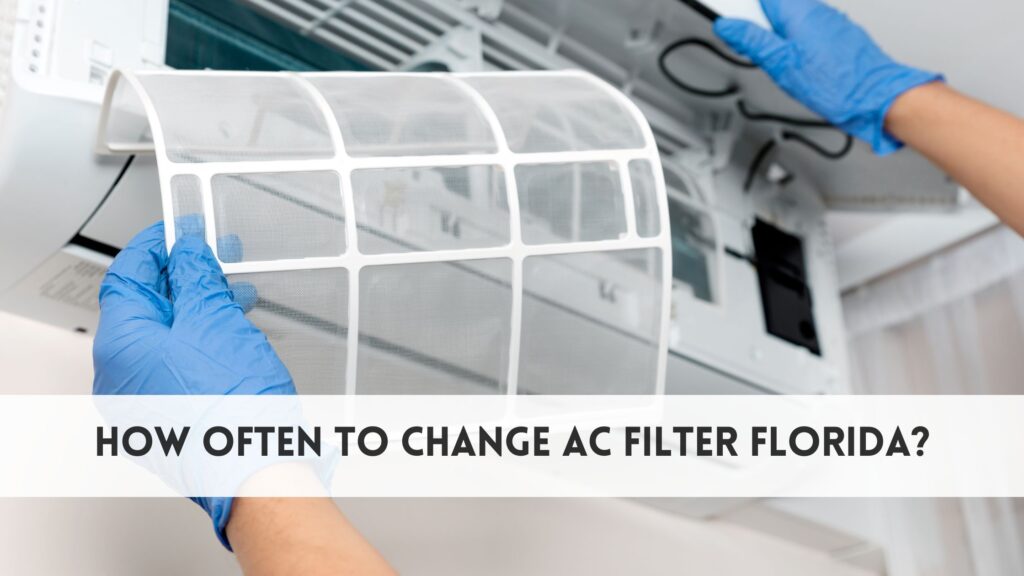
Living in Florida means your air conditioning system works overtime to combat the state’s high humidity, intense heat, and year-round warm climate. This constant usage makes AC filter maintenance essential for efficient system performance and healthy indoor air. A dirty or clogged filter can reduce airflow, increase energy bills, and shorten your HVAC system’s lifespan. That’s why many homeowners ask, How often to change AC filter in Florida? The answer depends on several factors, including seasonal changes, household size, and environmental conditions. In this guide, we’ll explain the ideal replacement schedule for Florida homes to ensure clean air and comfort.
How Often to Change AC Filter Florida?
In Florida’s hot and humid climate, your air conditioning system works almost nonstop to maintain indoor comfort. Because of this constant operation, it’s essential to replace your AC filter regularly to keep your system running efficiently. Under typical conditions, changing your filter every 30 to 60 days is recommended. However, this timeline may vary based on factors such as the presence of pets, allergies, smoking indoors, or if you live near the coast where salt and sand can accumulate more quickly.
For households with multiple occupants or pets, replacing the filter every 30 days is ideal. Those with allergies or respiratory conditions should consider changing it even more frequently to maintain healthy air quality. Regular filter replacement is not just about air cleanliness—it also ensures optimal cooling performance, reduces strain on the system, improves energy efficiency, and extends the lifespan of your HVAC unit. Failing to replace your AC filter on time can lead to poor airflow, higher utility bills, and potential system breakdowns, especially in Florida’s demanding climate.
Florida’s Climate and Its Effect on Filter Replacement
Florida’s unique climate has a direct impact on how often homeowners should replace their AC filters. With a subtropical environment that includes high humidity levels, extended warm seasons, and heavy pollen counts, HVAC systems in Florida face far greater demands than in cooler or drier states.
The year-round humidity causes filters to trap more moisture, which can encourage mold and bacterial growth if they are not replaced regularly. During Florida’s long, hot summers, air conditioner maintenance is necessary for running constantly, pulling in more air—and with it, more dust, dander, and airborne pollutants. In spring and fall, heavy pollen levels from blooming trees and plants add an extra layer of contaminants that quickly clog filters.
For those living near the coast, salt in the air can accelerate filter degradation and buildup, requiring more frequent replacement. These climate conditions mean that even high-quality filters can become saturated faster than expected, reducing air quality and efficiency. Regular filter replacement is essential in Florida to protect both your HVAC system and your indoor environment.
Factors That Impact How Often You Change Your AC Filters
While location is a key factor, other variables can affect the frequency of filter changes. Use the table below to help determine the best schedule for your home:
Florida’s Climate Conditions
Florida’s hot, humid climate requires AC systems to work harder and longer, leading to faster filter clogging. High humidity increases the amount of moisture and airborne particles, such as mold spores and bacteria, that get trapped in filters. Additionally, coastal areas face salt exposure, which accelerates wear. These unique environmental factors mean Florida residents must replace air filters more frequently than those in milder regions to maintain system efficiency, air quality, and prevent strain on HVAC components.
Presence of Pets in the Home
Homes with pets—especially those that shed—need more frequent AC filter changes. Pet hair and dander quickly accumulate in filters, restricting airflow and reducing indoor air quality. Even with regular grooming, airborne particles from pets can overload filters within weeks. If you have one pet, replacing filters every 30–45 days is typically recommended. For multiple pets, consider changing them every 20–30 days. Keeping a clean filter is essential to managing allergens and maintaining a healthy environment for both people and pets.
Allergies and Respiratory Conditions
If anyone in your household suffers from allergies, asthma, or other respiratory issues, more frequent AC filter changes are crucial. Filters trap pollen, dust mites, mold spores, and other allergens—common in Florida’s environment. When filters become clogged, these particles are recirculated into your air, worsening symptoms. To maintain cleaner indoor air and reduce health risks, filters should be replaced every 20–30 days in these households. Choosing high-efficiency filters (MERV 11–13) can further enhance air purification and respiratory comfort.
Household Size and Activity Levels
The more people in your home, the more contaminants are introduced into the air—skin cells, dust, hair, and household debris all contribute to filter buildup. Active homes with children, regular visitors, or frequent use of the HVAC system will require more frequent filter changes. A larger household increases system usage, accelerating wear on filters. In busy homes, replacing the AC filter every 30 days ensures optimal airflow, better temperature control, and cleaner indoor air throughout the house.
Indoor Air Quality Factors
Additional indoor factors—like smoking, candles, fireplaces, or heavy cooking—release airborne particles that rapidly clog AC filters. If any of these activities are common in your home, your filter’s lifespan may be significantly reduced. Even household cleaning chemicals and dust from renovations can impact filter performance. In such cases, changing your AC filter every 20–30 days is recommended to prevent poor indoor air quality and avoid overworking your HVAC system. Monitoring these factors helps keep both your air and system clean.
How Often to Change AC Filter in Summer?
During Florida’s long and intense summer season, your air conditioning system operates at peak capacity, often running 24/7 to maintain a comfortable indoor temperature. This increased usage significantly affects how quickly your AC filter becomes clogged with dust, pollen, pet dander, and airborne contaminants. As a result, it’s recommended to change your AC filter every 20 to 30 days in summer to ensure optimal system performance and indoor air quality.
Florida’s summer also brings higher humidity levels, which can cause filters to trap more moisture and organic particles, increasing the risk of mold growth and restricted airflow. If you have pets, allergies, or a larger household, consider changing the filter even more frequently.
Regular replacement prevents your HVAC system from overworking, improves cooling efficiency, lowers energy bills, and extends the life of your unit. Ignoring this simple task during the hottest months can lead to breakdowns, poor air circulation, and higher maintenance costs. Make AC filter replacement a top priority every summer in Florida’s challenging climate.
Best Practices for Changing AC Filters in Florida
Maintaining your AC filter properly can save you money and avoid mid-summer breakdowns. Follow these expert tips:
Set a Regular Replacement Schedule
Due to Florida’s climate, your AC runs more often, making consistent filter replacement essential. Set a reminder every 30 days, especially in summer months, to inspect and replace the filter as needed. A fixed schedule prevents dust buildup, maintains airflow, and reduces system strain. This simple routine ensures your AC operates efficiently and helps avoid unexpected breakdowns in Florida’s heat and humidity.
Choose the Right Filter Type and MERV Rating
Select a high-quality filter with an MERV rating between 8 and 13 for Florida homes. These filters effectively trap common pollutants like pollen, mold spores, pet dander, and dust. The right filter improves indoor air quality and protects your HVAC system from damage caused by airborne debris. Using the wrong filter may reduce airflow or provide insufficient filtration, especially in Florida’s humid and allergen-heavy environment.
Visually Inspect Filters Before the 30-Day Mark
Even if you plan to replace your filter monthly, inspect it after two to three weeks, especially during heavy-use seasons like summer. Florida’s high pollen, moisture, and dust levels can clog filters faster than expected. A quick visual check helps you catch buildup early and prevent airflow issues. If the filter appears gray, dirty, or damp, replace it immediately to keep your system running smoothly and efficiently.
Adjust Frequency Based on Lifestyle Factors
Households with pets, smokers, or allergy sufferers should change AC filters more frequently—every 20–30 days. Florida homes with children, high foot traffic, or construction nearby also benefit from faster filter replacement. Tailor your maintenance schedule based on how often contaminants enter your indoor air. Monitoring lifestyle habits and local conditions ensures healthier air, improves HVAC efficiency, and reduces wear on your system throughout Florida’s demanding climate.
Keep Spare Filters Stocked Year-Round
Having extra filters on hand ensures you’re always prepared, especially during Florida’s hot summers and pollen-heavy seasons. Buying in bulk saves time and money while helping you stay consistent with your replacement schedule. Store filters in a clean, dry place to maintain their integrity. Readily available spares reduce the chance of delays and keep your AC system running at its best, even during unexpected weather changes or high-usage periods.
Final Words
Maintaining your air conditioning system in Florida starts with one of the simplest yet most important tasks: regularly changing your AC filter. With the state’s high humidity, extended summers, and increased airborne particles, filters become clogged more quickly than in other regions. As discussed, Florida homeowners should typically replace their AC filters every 20 to 30 days in summer and every 30 to 60 days year-round, depending on household size, pets, allergies, and environmental factors.
Timely filter replacement improves indoor air quality, enhances cooling efficiency, reduces energy consumption, and extends the life of your HVAC system. Whether you live inland or near the coast, sticking to a consistent maintenance schedule is essential for year-round comfort and performance.
By understanding How often to change your AC filter in Florida, you’ll not only ensure a healthier home but also protect your investment. Make filter replacement a routine part of your home care to keep your system running efficiently in Florida’s demanding climate.
