 Skip to content
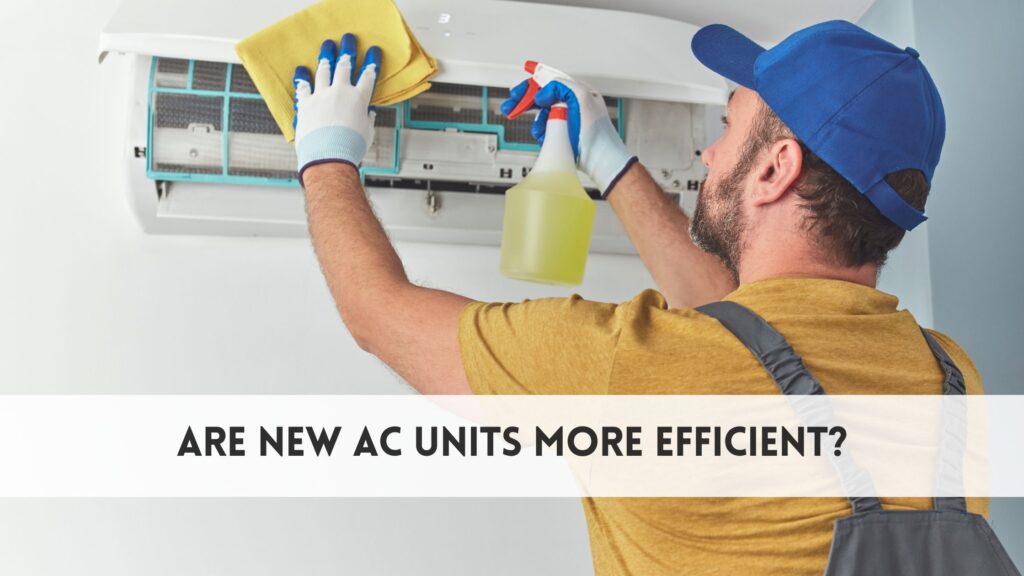
Energy efficiency is a crucial consideration for homeowners and business owners seeking to cool their spaces without incurring higher energy costs. As air conditioning units work harder to maintain comfortable temperatures, their energy consumption can significantly impact your utility bills. With new advancements in HVAC technology, the question Are new AC units more efficient? becomes increasingly relevant.
Newer air conditioning systems are designed with higher energy efficiency in mind, featuring innovations such as variable-speed compressors, smart thermostats, and better insulation. These systems are engineered to provide optimal cooling while using less energy, helping to reduce electricity consumption. Upgrading to a more energy-efficient HVAC system can result in lower monthly bills, enhanced comfort, and a smaller carbon footprint.
For homeowners and businesses in Tampa, FL, investing in a modern AC unit could be a cost-effective solution for long-term savings, improved performance, and a greener environment. Understanding energy efficiency in AC units is crucial to making an informed decision about upgrading your system.
Are new AC units more efficient?
New AC units are undoubtedly more energy-efficient than older models. Modern systems are built with advanced technology that allows them to use less energy while delivering better performance. For instance, many new AC units boast higher SEER (Seasonal Energy Efficiency Ratio) ratings, which directly translate to improved energy efficiency. These systems are designed to use less energy while delivering better performance.
- Inverter Technology: Modern air conditioners feature inverter technology, which adjusts the compressor speed according to cooling demand. This allows the unit to operate more efficiently by reducing unnecessary energy consumption during low cooling periods.
- Improved Insulation: Newer AC units are equipped with advanced insulation, minimizing energy loss and ensuring that cool air stays inside, leading to more consistent indoor temperatures with less strain on the system.
- Smart Features: Many new models come with smart thermostats and Wi-Fi controls, enabling users to monitor and adjust their AC ducts remotely. These features optimize energy usage and improve overall temperature management, further reducing electricity bills.
In comparison to older units, which typically operate at a fixed speed and rely on manual controls, new models are more adaptive to changing environmental conditions, offering significant improvements in energy efficiency.
Are New Air Conditioners More Efficient than Older Models?
Yes, new air conditioners are significantly more efficient than older models, especially those built before 2010. Advances in HVAC technology, such as improved compressors, higher SEER (Seasonal Energy Efficiency Ratio) ratings, and smart features, enable modern units to consume less energy while providing the same or better cooling performance. These enhancements result in reduced energy bills, increased comfort, and a smaller environmental footprint, making new air conditioners a smart investment compared to outdated models.
| AC Unit Age | Average SEER Rating | Energy Efficiency |
| New AC Units (2023) | 15-25 | Up to 50% more efficient |
| Older Units (2000-2010) | 10-13 | Standard efficiency |
| Very Old Units (Pre-2000) | 8-10 | Less efficient |
New AC Units (2023 and beyond)
New AC units manufactured in 2023 and beyond feature the latest advancements in HVAC technology, offering remarkable energy efficiency. These units typically have SEER ratings between 15 and 25, significantly outperforming older models. Key features include inverter technology, which adjusts the compressor speed based on demand, smart thermostats for remote control, and high-efficiency compressors that use less energy. Additionally, newer units benefit from improved insulation and better sealing, minimizing energy loss. As a result, new AC units reduce energy consumption, lower electricity bills, and enhance indoor comfort, making them an ideal choice for homeowners and businesses.
Older AC Units (2000-2010)
AC units built between 2000 and 2010 have moderate energy efficiency, generally featuring SEER ratings between 10 and 13. While these systems are more efficient than older models, they lack the advanced technology found in newer units, such as inverter compressors and smart controls. These units often rely on a fixed-speed compressor that operates continuously, leading to higher energy consumption. Insulation and sealing in these systems are also less advanced, contributing to energy loss. While still functional, older AC units are less efficient compared to newer systems and may result in higher utility costs.
Very Old AC Units (Pre-2000)
AC units manufactured before 2000 typically have the lowest energy efficiency, with SEER ratings ranging from 8 to 10. These systems use older compressor technology and often lack modern energy-saving features. The design of these units makes them prone to higher energy consumption due to inefficiencies in cooling and poor insulation. Additionally, older AC units may require more frequent repairs and maintenance, which can add to long-term costs. With outdated technology, these units consume significantly more energy, leading to higher electricity bills and inconsistent cooling, making them the least efficient option in today’s market.
Benefits of Switching to a New Air Conditioner
Switching to a new, energy-efficient HVAC system comes with several significant benefits. Here’s why it might be worth considering an upgrade:
Lower Energy Bills
- New AC units consume less energy, directly lowering monthly utility costs.
- Higher SEER ratings in modern units ensure maximum efficiency while cooling.
- Reduced energy consumption means fewer resources are needed to maintain comfortable temperatures.
- Advanced technology, like inverter compressors, minimizes unnecessary energy use during low-demand periods.
Improved Comfort
- New systems provide even and consistent cooling, reducing hot or cold spots in your space.
- Quiet operation improves indoor comfort by reducing noise levels during cooling cycles.
- Smart thermostat features allow precise temperature control, further enhancing comfort.
- Better airflow and humidity control maintain optimal indoor conditions, improving overall air quality.
Environmental Benefits
- Modern, energy-efficient AC units reduce electricity demand, lowering greenhouse gas emissions.
- Lower energy consumption helps decrease reliance on fossil fuels, benefiting the environment.
- Using less energy reduces your carbon footprint, contributing to a more sustainable future.
- Energy-efficient systems support global efforts to reduce environmental impact and fight climate change.
Increased Property Value
- Homes with upgraded, energy-efficient HVAC systems are more attractive to eco-conscious buyers.
- Potential buyers are often willing to pay more for a home with lower future energy costs.
- Energy-efficient systems add modern value to your property, aligning with current green building trends.
- Energy-efficient upgrades can lead to quicker sales, as they are seen as long-term investments.
Are HVAC Systems Energy Efficient?
Yes, HVAC systems are highly energy-efficient, particularly when they are new or properly maintained. Advances in HVAC technology have significantly improved the efficiency of these systems, both for heating and cooling purposes. Modern HVAC units are equipped with high-efficiency compressors, advanced insulation, and variable-speed motors, which help minimize energy consumption while maintaining optimal comfort levels. Additionally, many new systems come with smart controls, allowing for precise temperature regulation and further enhancing energy savings.
Energy-efficient HVAC systems operate with higher SEER (Seasonal Energy Efficiency Ratio) ratings, meaning they consume less electricity while delivering the same or even better performance compared to older models. Features like zoning systems, which allow for targeted heating and cooling, also contribute to better energy use by cooling only occupied areas of the home or office.
When asking, Are HVAC systems energy efficient? The latest models are designed for maximum efficiency. Upgrading to a modern HVAC system will not only lower your utility bills but also reduce your carbon footprint, making it a smart choice for both homeowners and businesses. Proper maintenance, such as cleaning filters and ensuring ductwork is sealed, is crucial to maintaining these energy-efficient systems’ performance.
When to Replace Your AC Unit?
Knowing when to replace your AC unit is key to ensuring you are always using the most efficient system available. Consider these signs:
Age of the Unit
If your AC unit is over 10-15 years old, it may be time to replace it. Older air conditioning systems often have outdated technology, lower SEER ratings, and are less energy-efficient. As they age, they tend to break down more frequently and consume more energy to perform the same tasks. Upgrading to a modern, high-efficiency HVAC system can reduce energy costs and improve cooling performance, ensuring more consistent and reliable comfort in your home or office.
Increased Energy Bills
Rising energy bills, despite regular maintenance, may indicate that your AC unit is no longer operating at peak efficiency. Older systems struggle to keep up with increasing cooling demands, often consuming more energy to achieve the same level of comfort. An energy-efficient replacement can significantly lower your utility costs by reducing electricity consumption. Upgrading to a new AC unit with a higher SEER rating is a smart investment for long-term savings on energy bills.
Frequent Repairs
Frequent repairs are a clear sign that your AC unit may be nearing the end of its lifespan. Continuous breakdowns and repair costs can add up quickly, making it more economical to replace the system altogether. Newer models are built to be more reliable and cost-effective in the long run. By investing in a new AC unit, you’ll reduce the hassle of constant repairs and improve your system’s overall efficiency, ensuring comfort and reliability.
Poor Performance
If your AC unit is struggling to cool your space effectively, even after repairs, it may no longer be functioning efficiently. Poor performance could be a result of worn-out components, outdated technology, or inadequate cooling capacity. Upgrading to a newer, energy-efficient system will provide better cooling performance, improve indoor comfort, and reduce energy consumption. If your AC can’t maintain a consistent temperature, it’s time to consider a replacement for better efficiency and comfort.
Final Words
So, Are new AC units more efficient? The answer is a resounding yes. New air conditioning systems are designed with advanced technology that significantly improves energy efficiency compared to older models. Features such as inverter compressors, enhanced insulation, and smart controls help reduce energy consumption while maintaining optimal performance.
By upgrading to a modern, energy-efficient HVAC system, homeowners and businesses can enjoy lower energy bills, improved comfort, and a smaller environmental footprint. The increased efficiency of new AC units not only provides financial savings but also supports sustainability efforts by reducing carbon emissions.
Replacing an old, inefficient AC system with a newer model is a wise investment that delivers long-term benefits. With improved performance, reduced repair needs, and better energy usage, a new energy-efficient AC system ensures a more comfortable and cost-effective environment for years to come. Trusted professionals offers quality service and expert guidance to ensure a smooth and efficient installation process.
